Everything You Need to Know About House Clearance Services in the UK
Whether you’re moving home, handling a probate property, downsizing, renovating, or simply reclaiming valuable space, house clearance can feel overwhelming. From deciding what to keep and what to dispose of, to understanding costs and legal responsibilities, there is often far more involved than people expect.
This guide explains everything you need to know about house clearance in 2026, including how the process works, what can be removed, what happens to unwanted items, and how to choose the right clearance company.
What Is a House Clearance?
A house clearance is the process of removing unwanted furniture, appliances, personal belongings, rubbish, and other items from a property.
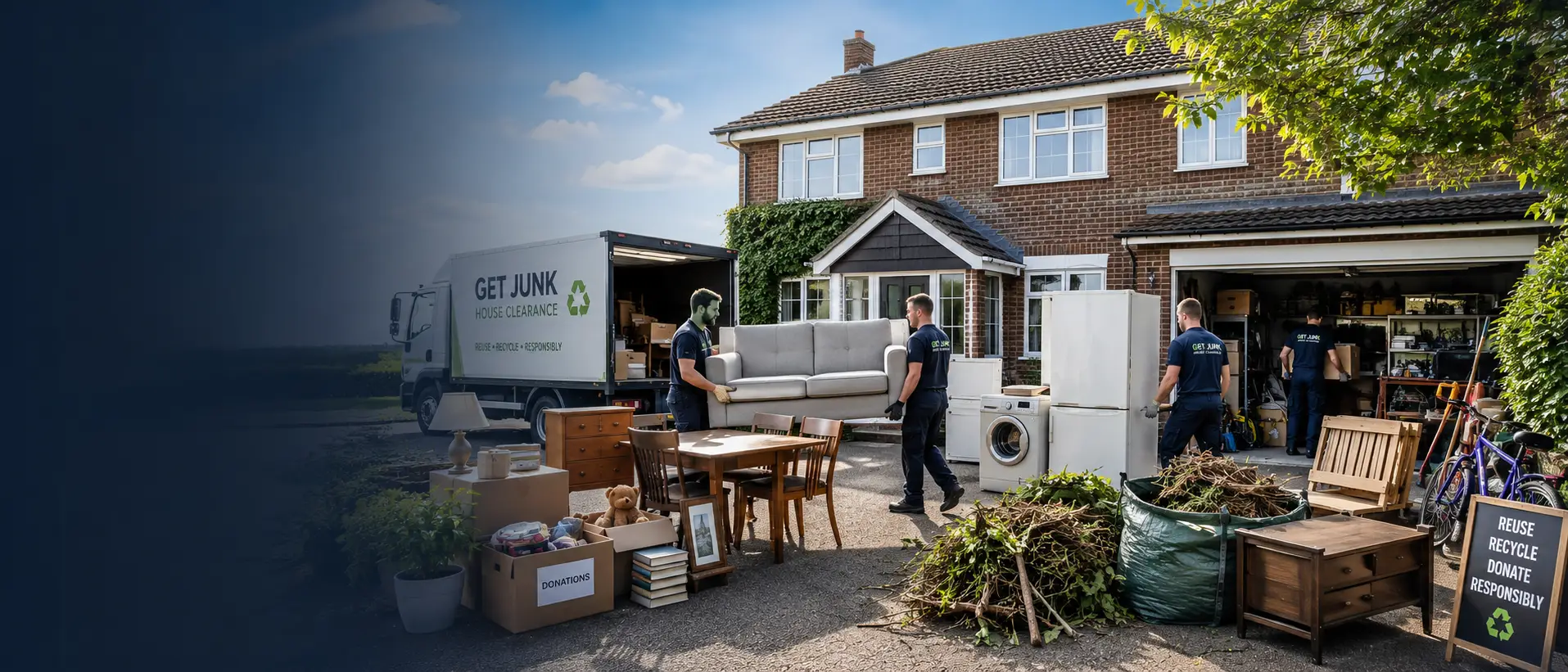
House clearances can vary significantly in size and complexity. Some involve removing a single bulky item, while others require the complete clearance of an entire property, including lofts, garages, sheds, gardens, and outbuildings.
Professional house clearance companies provide the labour, transport, and disposal services required to clear a property efficiently and responsibly.
Why Do People Need House Clearance Services?
There are many situations where a professional house clearance service can help.
Moving Home
Moving house is one of the most common reasons people book a clearance service. Rather than paying to move unwanted items, many homeowners choose to declutter beforehand and start fresh in their new property.
Probate and Bereavement
After the loss of a loved one, clearing a property can be emotionally and physically challenging. Professional clearance services help families prepare properties for sale, transfer, or rental while reducing stress during a difficult time.
Downsizing
Moving into a smaller property often requires furniture and possessions to be reduced significantly. A clearance service can remove unwanted items quickly and efficiently.
End of Tenancy
Landlords frequently require house clearance services when tenants leave behind furniture, rubbish, or personal belongings.
Hoarder Property Clearance
Properties affected by severe clutter or hoarding often require specialist clearance teams capable of managing large volumes of waste safely.
Property Renovation
Before refurbishment or redevelopment work begins, properties often need to be cleared of furniture, flooring, appliances, and accumulated clutter.
What Does a House Clearance Include?
A professional house clearance service can remove almost any non-hazardous household item.
Furniture
- Sofas
- Armchairs
- Beds
- Wardrobes
- Dining tables
- Cabinets
- Drawers
- Bookcases
White Goods
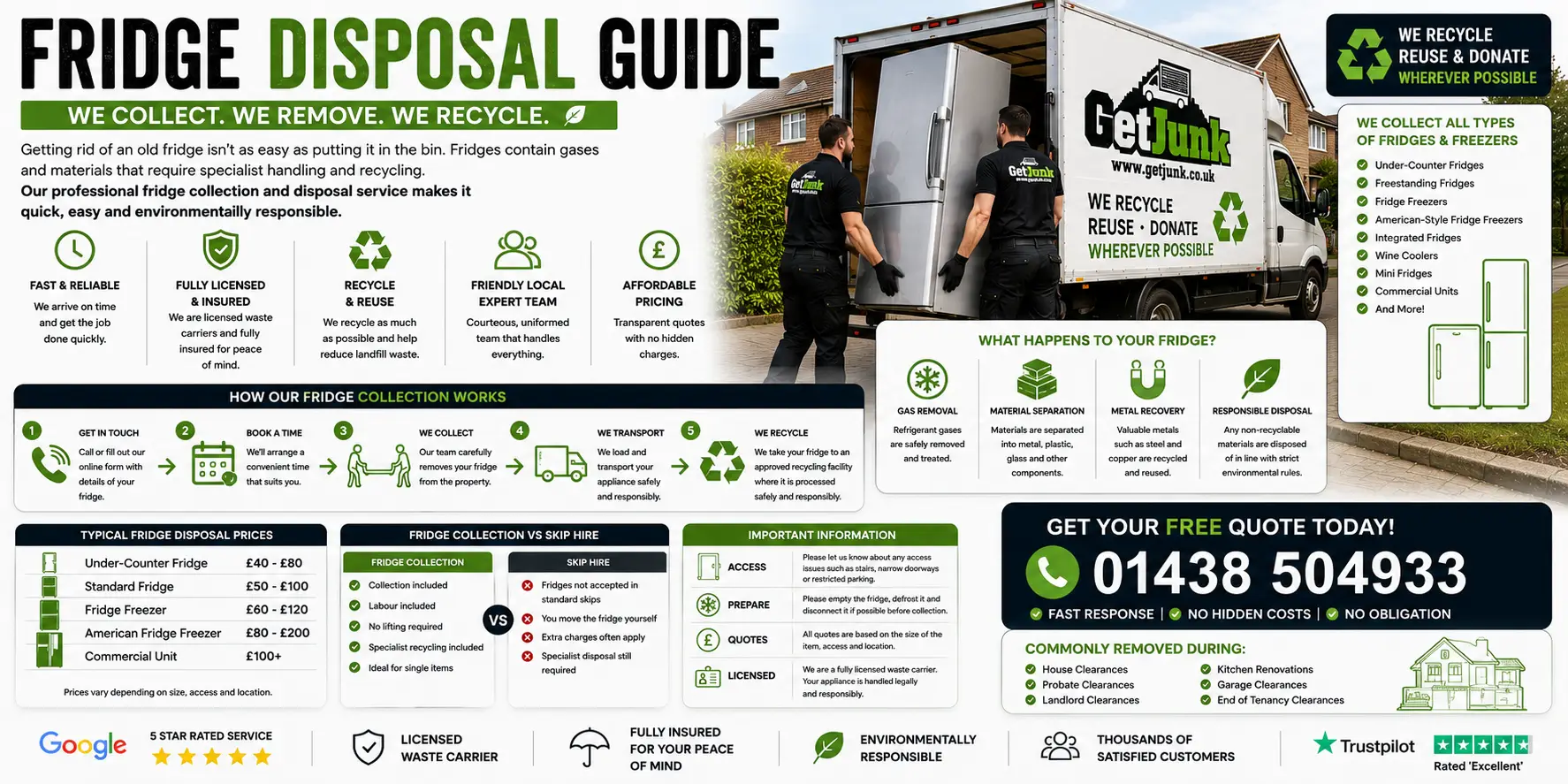
- Fridges
- Freezers
- Washing machines
- Tumble dryers
- Dishwashers
- Cookers
Household Items
- Clothing
- Toys
- Books
- Kitchenware
- Decorations
- Electronics
- General household clutter
Loft Clearances
Lofts often become long-term storage areas filled with boxes, furniture, and forgotten possessions. These items can be removed as part of a full property clearance.
Garage Clearances
Garages commonly contain tools, old bicycles, DIY materials, broken equipment, and general household storage.
Garden Clearances
Many house clearance companies also offer removal of:
- Garden furniture
- Shed contents
- Green waste
- Broken fencing
- Outdoor rubbish
- General garden clutter
How Does the House Clearance Process Work?
Most professional house clearances follow a straightforward process.
Initial Assessment
The first step involves understanding the size of the job. This may be done through photographs, video surveys, or a site visit.
Quotation
A quotation is then provided based on the amount of labour, vehicle space, disposal costs, and access requirements involved.
Clearance Day
A trained clearance team arrives and removes all agreed items from the property.
Sorting and Processing
Items are separated according to whether they can be reused, recycled, donated, or require disposal.
Responsible Disposal
Waste is transported and processed through licensed waste management facilities in accordance with environmental regulations.
How Much Does House Clearance Cost in 2026?
The cost of a house clearance depends on several factors.
These include:
- Property size
- Volume of waste
- Type of items being removed
- Accessibility
- Parking arrangements
- Number of workers required
- Disposal fees
Typical price ranges include:
| Clearance Type | Typical Cost |
|---|---|
| Single Item Collection | £50 – £150 |
| Small Flat Clearance | £250 – £600 |
| Two Bedroom Property | £500 – £1,200 |
| Three Bedroom Property | £800 – £2,000 |
| Garage Clearance | £150 – £600 |
| Garden Clearance | £150 – £1,000+ |
| Hoarder Property Clearance | £1,500+ |
Every clearance is different, so obtaining a tailored quote is the best way to understand likely costs.
What Happens to Items After a House Clearance?
A common misconception is that everything removed during a house clearance ends up in landfill.
In reality, responsible clearance companies aim to divert as much material as possible away from landfill through reuse and recycling.
Reuse
Furniture and household items in good condition may be reused where appropriate.
Recycling
Many materials can be recycled, including:
- Metals
- Cardboard
- Wood
- Plastics
- Glass
- Electrical components
Donation
Suitable items may be donated to charitable organisations and community groups.
Responsible Disposal
Items that cannot be reused or recycled are disposed of through licensed waste facilities.
The Importance of Using a Licensed House Clearance Company
Not all waste removal services operate legally.
Any business transporting waste must hold a valid Waste Carrier Licence.
Hiring an unlicensed operator increases the risk of fly-tipping, which can potentially leave the original waste producer liable.
A reputable house clearance company should be able to provide evidence of:
- Waste Carrier Registration
- Public Liability Insurance
- Responsible Waste Management Practices
- Transparent Pricing
How Long Does a House Clearance Take?
The time required depends on the size of the property and the volume of items involved.
Typical examples include:
| Property Type | Estimated Duration |
|---|---|
| Single Item Collection | 15–30 Minutes |
| Garage Clearance | 1–3 Hours |
| Small Flat | Half Day |
| Two Bedroom House | Half to Full Day |
| Three Bedroom House | Full Day |
| Hoarder Property | Multiple Days |
Larger properties and heavily cluttered homes may require additional time.
Preparing for a House Clearance
A little preparation can make the process much smoother.
Remove Important Documents
Before any clearance begins, ensure documents such as passports, birth certificates, wills, deeds, and financial records have been safely removed.
Separate Sentimental Items
Family photographs, jewellery, heirlooms, and keepsakes should be identified and set aside in advance.
Consider Family Members
For probate clearances, it is important to ensure relatives have had the opportunity to recover any belongings they wish to keep.
Provide Access Information
Inform the clearance company about:
- Parking restrictions
- Narrow access routes
- Staircases
- Lift access
- Gated properties
This helps avoid delays on the day.
Choosing the Right House Clearance Company
Selecting the right company can make a significant difference to the experience.
Look for a provider that offers:
- Fully licensed waste removal
- Experienced clearance teams
- Transparent pricing
- Positive customer reviews
- Environmentally responsible disposal practices
- Appropriate insurance cover
A reputable company should be willing to explain its process clearly and answer any questions before work begins.
Final Thoughts
House clearance is often about far more than simply removing unwanted items. Whether you’re preparing a property for sale, helping a loved one downsize, clearing a probate property, or tackling years of accumulated clutter, the right support can make the process significantly easier.
Professional house clearance services provide a safe, efficient, and responsible way to clear properties of all sizes while ensuring waste is managed correctly and recyclable materials are diverted from landfill wherever possible.
For homeowners, landlords, executors, and property managers alike, understanding how house clearance works is the first step towards a smoother and less stressful experience.
Can you clear a house after a bereavement?
Yes. Many clearance companies regularly assist families with probate and bereavement property clearances.
Can I stay at the property during the clearance?
Yes. Many customers remain on-site while the work is carried out.
Do you remove carpets and flooring?
Most professional clearance companies can remove carpets, underlay, and other floor coverings.
Can you clear lofts, garages, and gardens?
Yes. Most comprehensive house clearance services cover all areas of a property.
What items cannot usually be removed?
Certain hazardous materials may require specialist disposal arrangements. Examples can include asbestos, chemicals, and some industrial waste products.
Do I need to be present?
Not always. Many clearances can be completed using keys or access arrangements agreed in advance.